
Managing students’ gadgets during school trips is an increasing problem that Kenyan teachers are facing amid the times of technology advancement among the students population. They are a generation born into technology which has enabled massive advancement in learning and discovery. However, the contrary is the true: Too much exposure brings distraction in the active learning mind and this is highly evident during international school trips where parents allow gadgets for keeping in touch with their children.
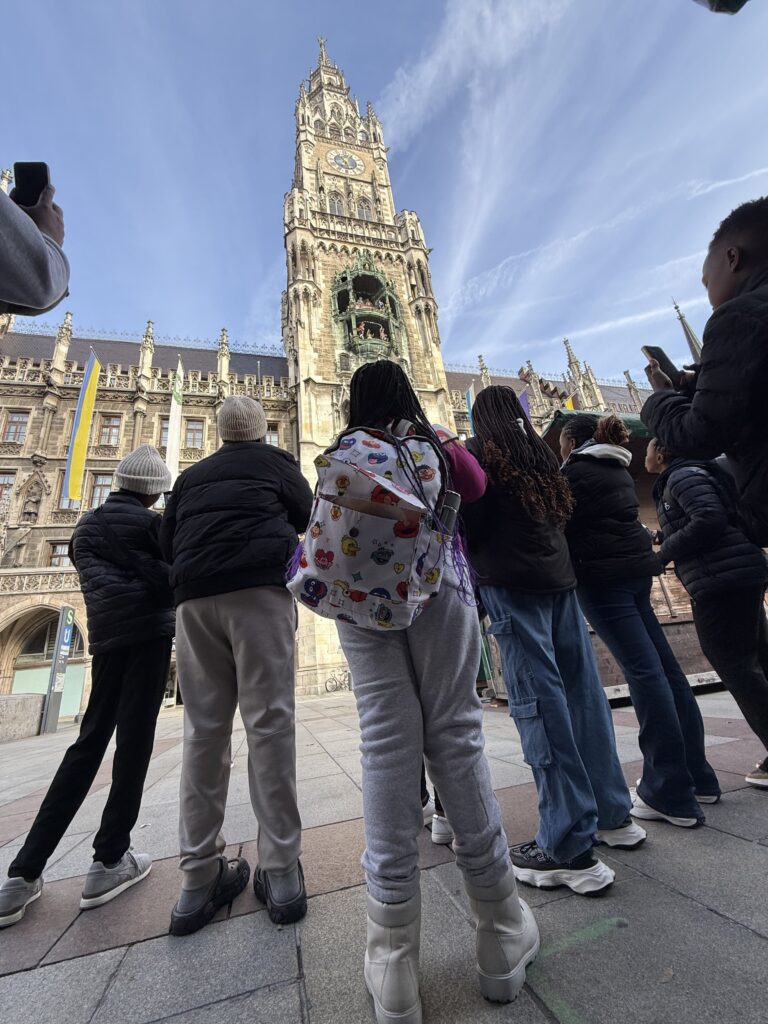
As we approach the school trips season, this and area that continues to challenge most Kenyan teachers and they are caught in between on learning and exploration verse positive gadgets management during school trips. At ReadTrips, we have observed that while devices can enhance learning and documentation, unmanaged usage can significantly reduce engagement, disrupt group dynamics, and introduce safety risks.
3-steps guide
To support schools in delivering transformative educational travel, we have refined 3 steps school trips chaperones can adopt.
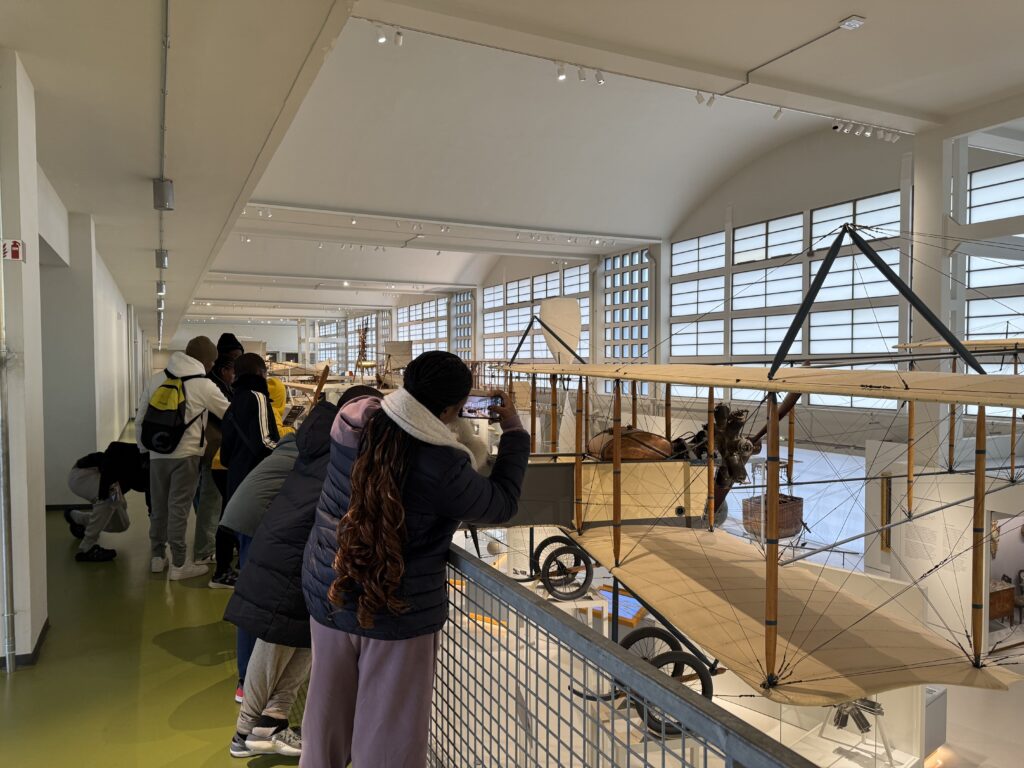
Gadgets on a school trip are unavoidable nowadays as students are far more tech-savvy than we are; and often know more tricks on their gadgets than we can imagine. However, these devices can easily interfere with learning during study trips by pulling students from an active, observant mindset into a reactive, distracted one.
So how do we encourage effective gadget control during study or excursion trips abroad?
Effective gadget control during school trips abroad?
1. Establish a Routine
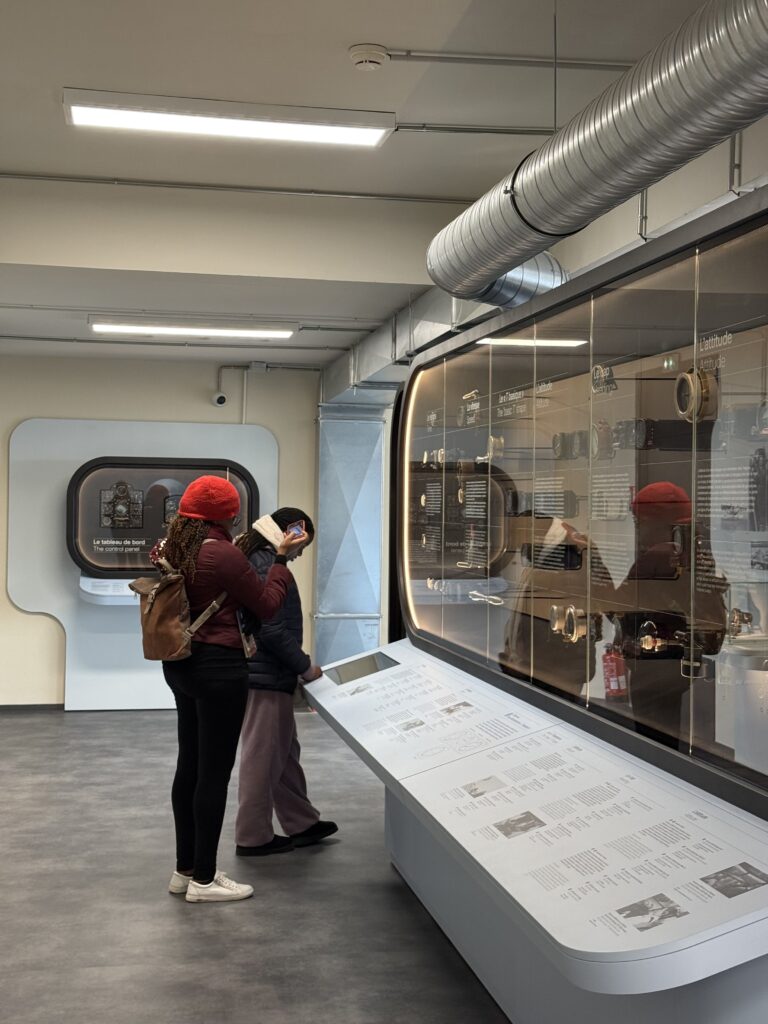
Depending on the destination, we encourage students to connect with their parents either before or after the day’s excursions—usually in the morning or evening.
This routine allows students to remain fully engaged during the day, when gadgets are safely kept away and the focus is on learning, observing, and participating.
2. Integrate Purposeful Tasks and Assignments
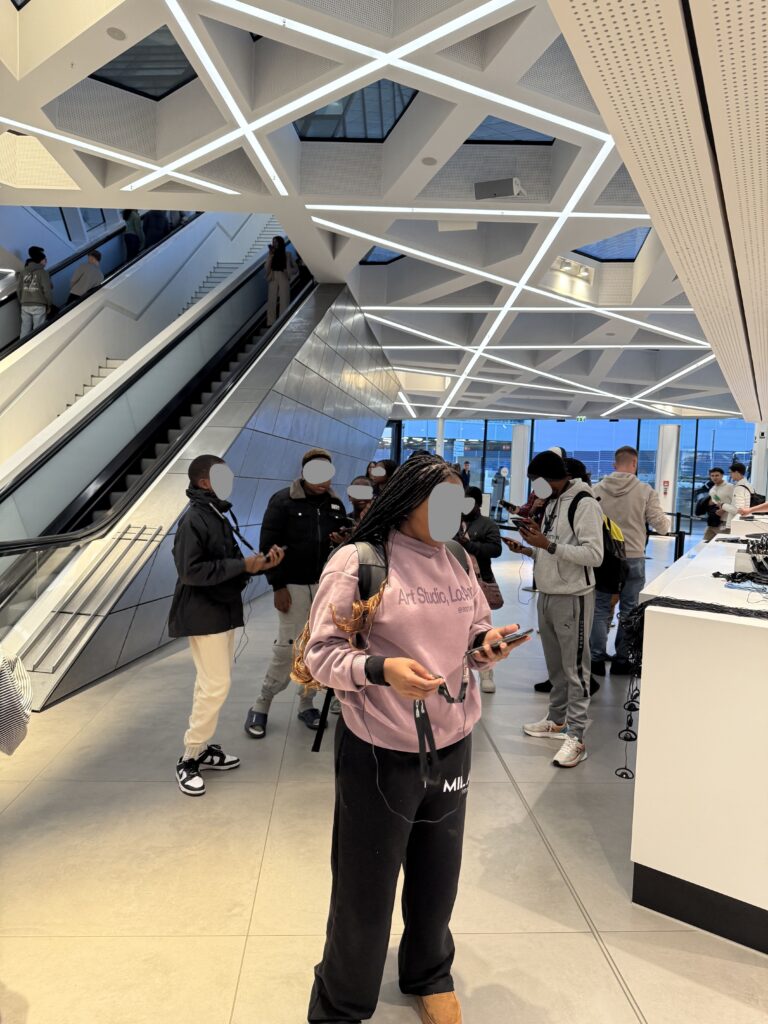
Activities such as identifying plants, birds, or architectural features, taking photos or short videos of key learning moments and presenting to the group what they observed
This transforms gadgets into tools for documentation and discovery, rather than distraction.
3. Reward Positive Behaviour
To encourage discipline, we reward students who have the least unnecessary phone interactions throughout the trip.
Small gifts, such as chocolates or simple privileges work well in reinforcing positive habits.
Gadgets are part of our time, and when managed well, they can enrich a study trip rather than take away from it. With the right structure, they become powerful tools for capturing learning, enhancing observation, and creating timeless memories.
Humphrey Mumita -Founder, ReadTrips
