
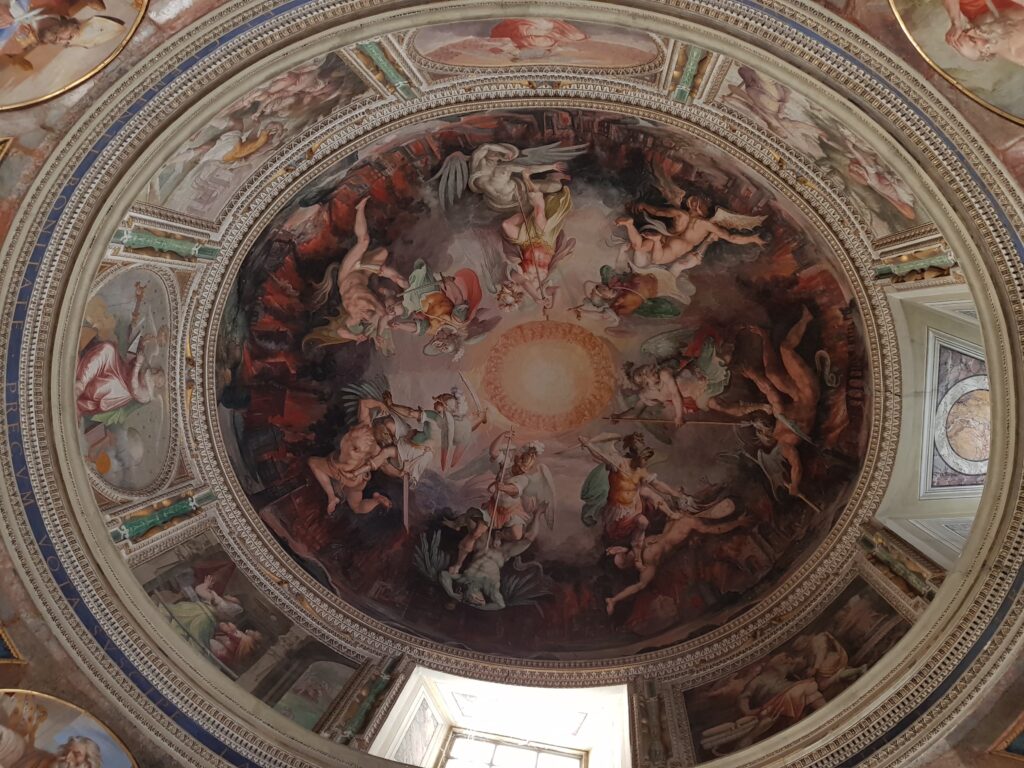
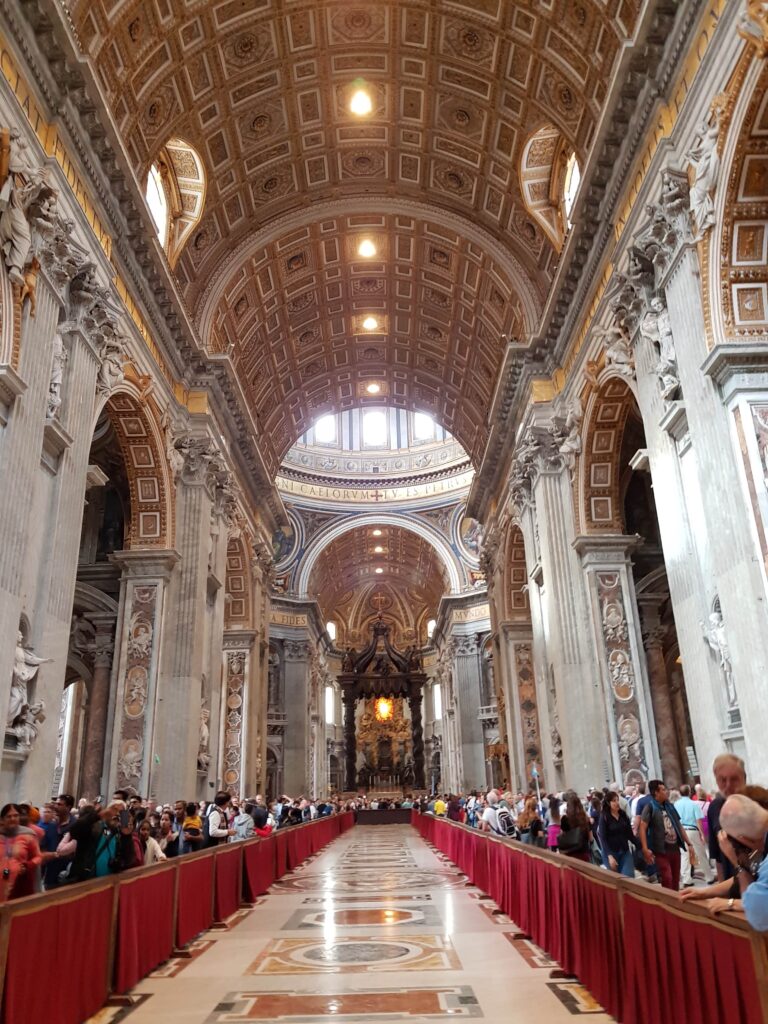
Art students trip to The Vatican is one that transcends all faiths.
It was on ReadTrips art study trip from Nairobi to Rome and Vatican, that these art students discovered the story of a city that has defined humans civilization in the world of art.
Irrespective of the faith practised, the corridors of the Vatican City unveils a scene 500 years ago where the greatest of artists had intensive battles.
The moment you enter Vatican City, something shifts. Beyond the faith of any single religion, beyond the grandeur of its architecture, the Vatican holds something universal — the record of humanity’s obsession with beauty, meaning and mastery.
It was here, roughly 500 years ago, that some of the greatest artistic minds in history crossed paths, competed fiercely and left behind a legacy that continues to shape how the world understands art. Our students walked those same corridors and felt the weight of it.
The students had embarked on a study tour of Rome and Vatican Art Districts seeking to explore the art world.
Born in the small village of Vinci, Leonardo Da Vinci was less a painter and more a question that never stopped asking itself.
A scientist, an inventor, a polymath — Da Vinci was endlessly fascinated by one subject above all others: man’s relationship with his environment. His notebooks, filled with sketches of flying machines, anatomy and flowing water, reveal a mind that saw art and science as the same conversation.
While the heart of his work lives in Florence, Vatican City holds one haunting exception — a ghostly, unfinished rendering of St. Jerome in the Wilderness. Incomplete as it is, the piece sparked rich conversations among the students about Da Vinci’s towering influence on the artists around him — an artistic halo effect that stretched far beyond his own canvas.
If Da Vinci was driven by curiosity, his fierce arch-rival Michelangelo was driven by something equally consuming — the pursuit of perfect human beauty.
Sculptor, painter, poet and architect, Michelangelo believed the human body was the ultimate expression of divine creation. His legendary Statue of David — carved from a single block of marble — has become one of the most recognised works of art in the entire world, a monument to what the human form can represent when placed in the hands of a true obsessive.
Standing before his work, our students understood something that no lecture could fully teach: that greatness, in art, often looks a lot like madness with a chisel.
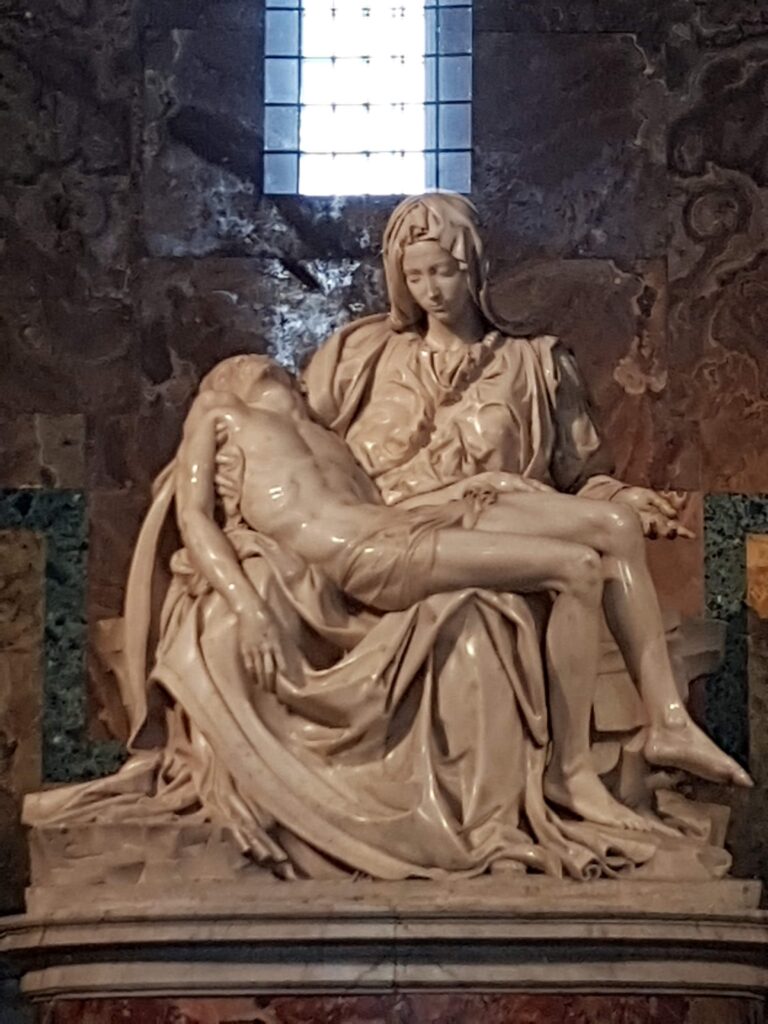
Where Da Vinci questioned and Michelangelo perfected, Raphael synthesised.
A prolific and remarkably gifted artist, Raphael’s genius lay in his ability to weave together diverse perspectives into a single, harmonious composition. His work felt neither rigid nor chaotic — it felt like balance.
Vatican City dedicates an entire section to his legacy: the celebrated Raphael Rooms, a suite of frescoed chambers that showcase his masterpieces in full, breathtaking scale. For the students, these rooms were a masterclass in visual storytelling — each wall a lesson in how to hold complexity without losing clarity.
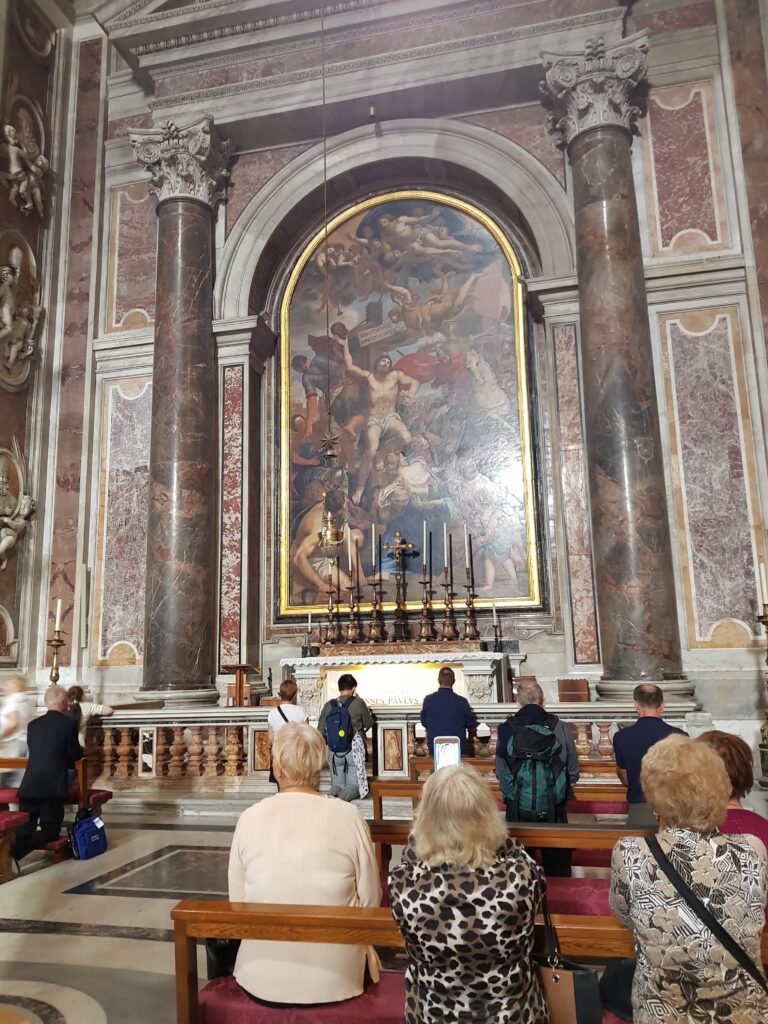
No survey of Vatican art would be complete without encountering Caravaggio — the brooding, brilliant and deeply controversial figure who turned darkness itself into a paintbrush.
Deeply influenced by the master Leonardo Da Vinci, Caravaggio developed a signature technique of extreme contrast between shadow and light — a method that gave his paintings an almost cinematic, visceral quality. His altarpiece The Entombment of Christ remains one of his most admired works: a raw, intimate portrayal of grief rendered in paint so vivid it feels almost alive.
For the Kenyan students, Caravaggio was perhaps the most modern of the masters — a reminder that art does not always have to be comfortable to be powerful.

No other corridor replenishes the artistic soul like the Vatican ones and reveals the evolution of the most important era of human enlightenment; Renaissance.
Art reveals to us our innermost energy.
Rome does something to artists. It reminds them that the questions they are wrestling with today.
How do I capture the human experience? How do I say something true? How do I make someone stop and feel something? are the same questions that have consumed the greatest minds in history.
Da Vinci. Michelangelo. Raphael. Caravaggio. Four wildly different answers to the same eternal question.
For a group of art students from Nairobi walking those gallery corridors, that realisation was not just inspiring. It was permission to be curious, to be bold, to be obsessive, and to create work that outlasts the moment it was made.
